Spanning nearly 3,500 square miles across Wyoming, Montana, and Idaho, Yellowstone holds over 10,000 hydrothermal features and 500 active geysers. As the world's first national park, it protects 67 mammal species, including wolves, grizzly bears, and prehistoric bison herds.
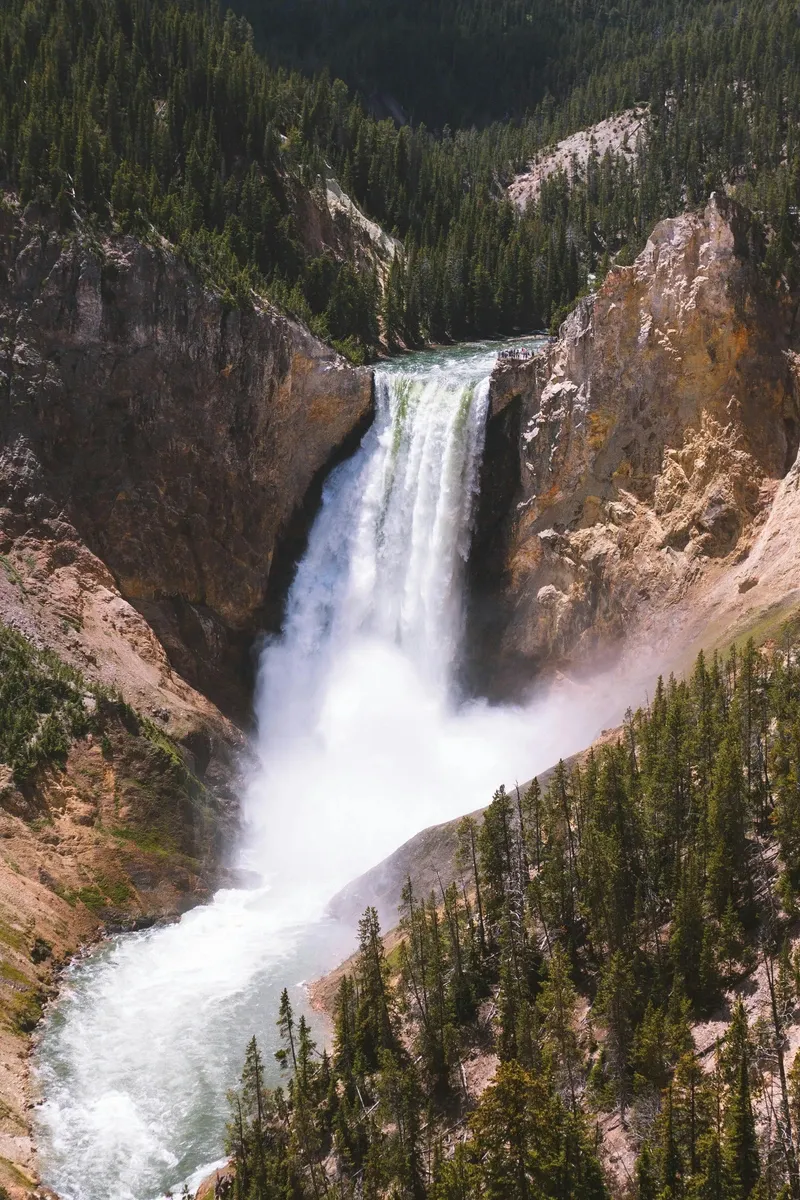
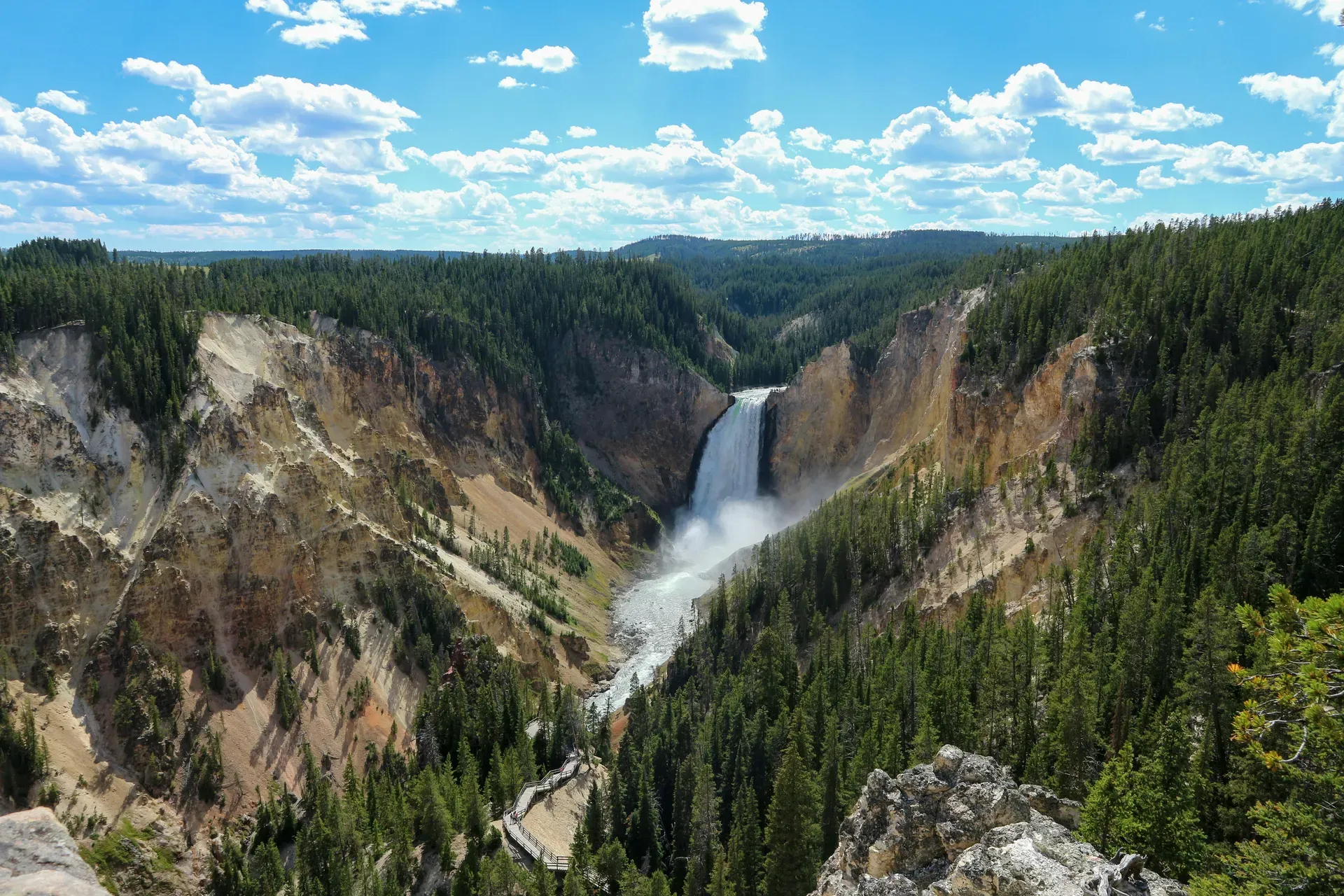
Find Guided ToursYellowstone National Park is a nearly 3,500-square-mile wilderness spanning Wyoming, Montana, and Idaho. Covering 2,221,766 acres, 96 percent of the park lies within Wyoming. The terrain sits at an average elevation of 8,000 feet, rising to 11,358 feet at Eagle Peak and dropping to 5,282 feet at Reese Creek. It is a landscape of alpine rivers, lush forests, and dramatic canyons, including the 20-mile-long Grand Canyon of the Yellowstone with its massive 308-foot Lower Falls.
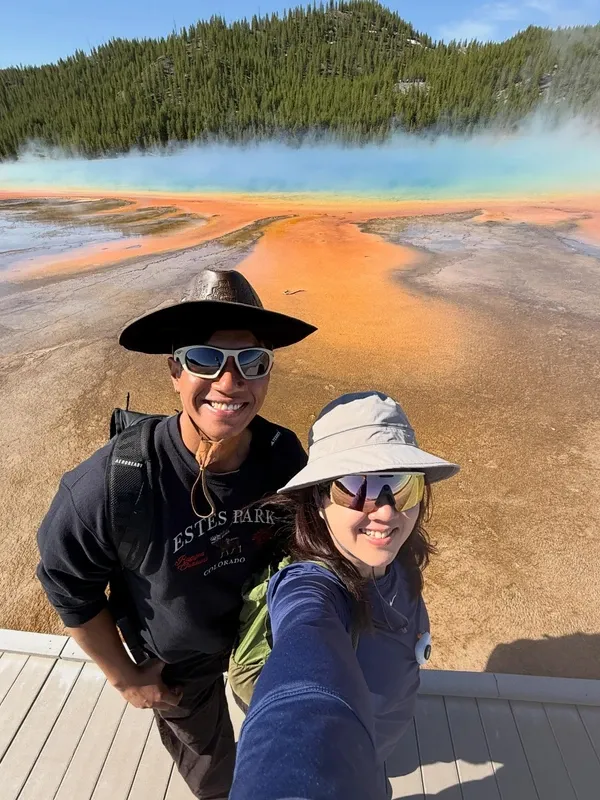
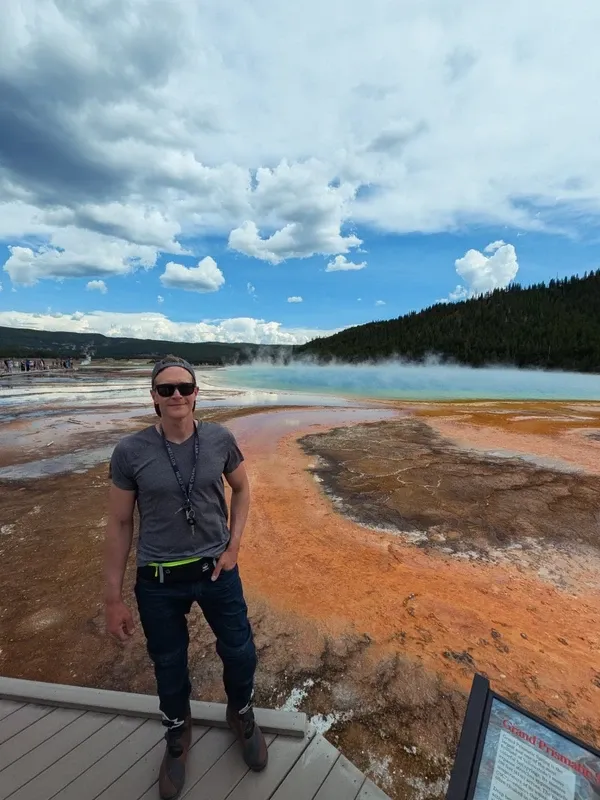
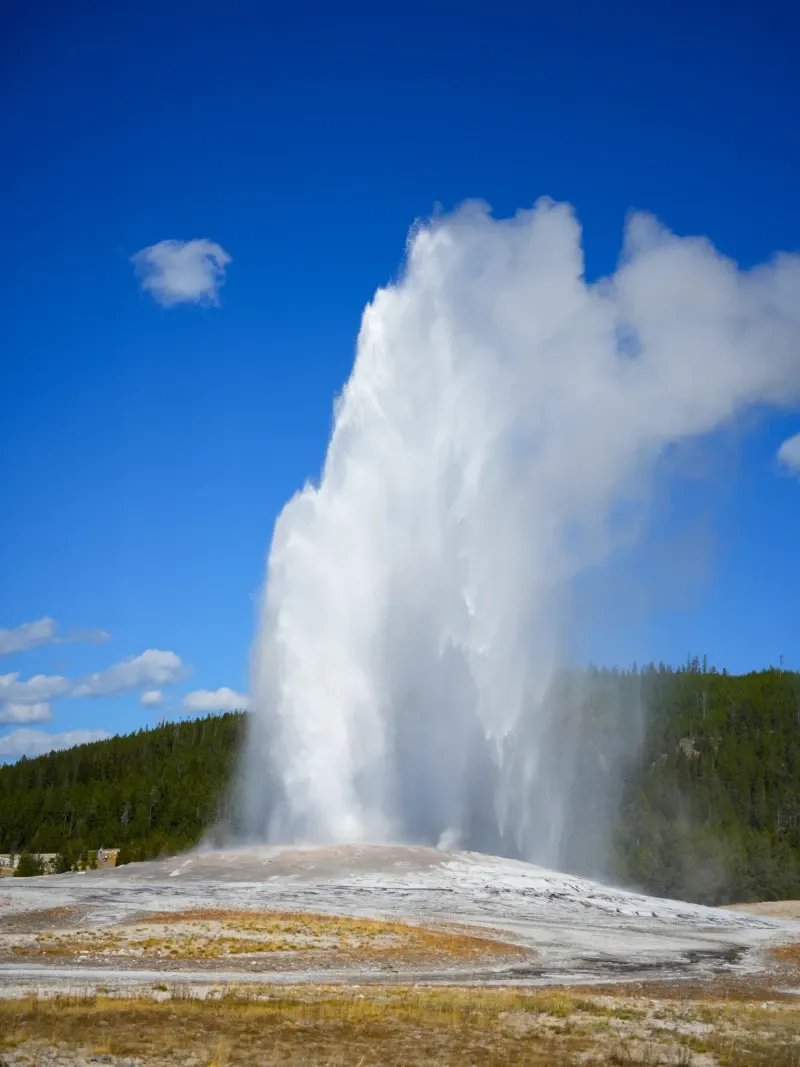
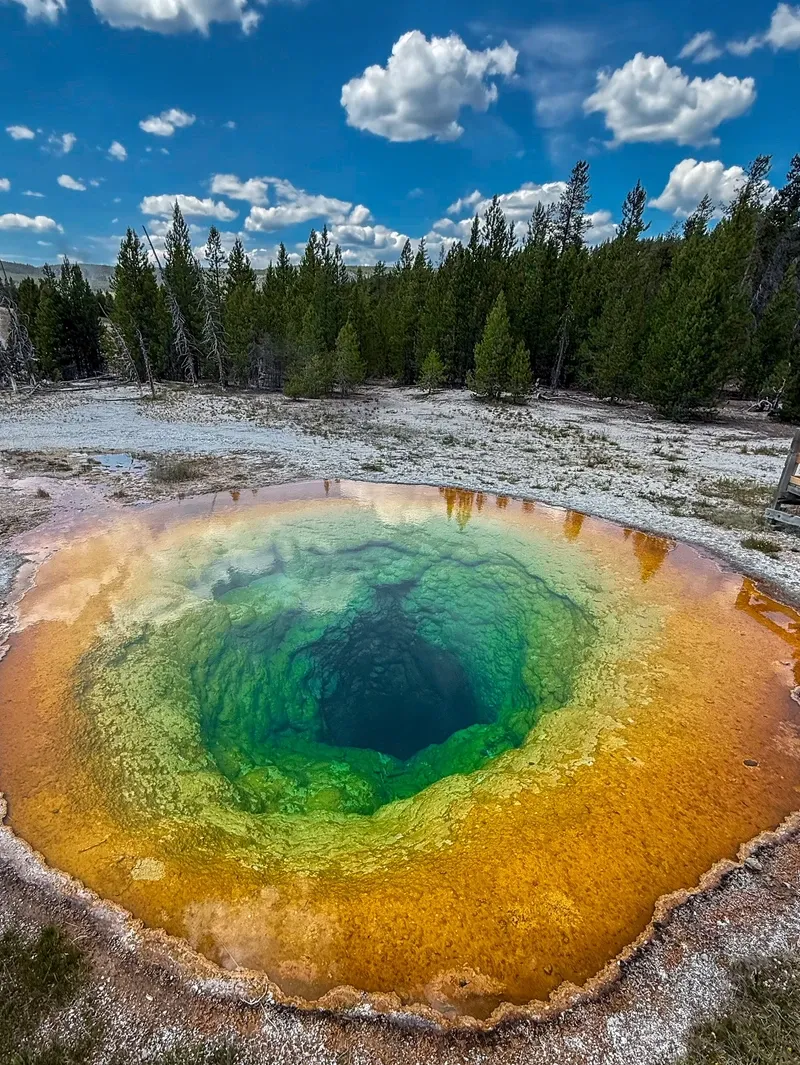
The park exists entirely atop a massive volcanic hot spot. This geothermal foundation powers more than 10,000 hydrothermal features, accounting for approximately half of the world's active total. Among these are over 500 active geysers. Old Faithful, the most famous, erupts every 60 to 110 minutes and shoots water up to 180 feet in the air. Grand Prismatic Spring stands as the largest hot spring in the United States, displaying vivid colors created by thermophilic bacteria.
Native American tribes lived in and utilized this land for over 11,000 years. On March 1, 1872, President Ulysses S. Grant signed the Yellowstone National Park Protection Act. This legislation established Yellowstone as the world's first national park. The United States Army managed the grounds from 1886 until 1916, shortly before the National Park Service was created. Today, the park is recognized globally as both a UNESCO World Heritage site and a Biosphere Reserve.
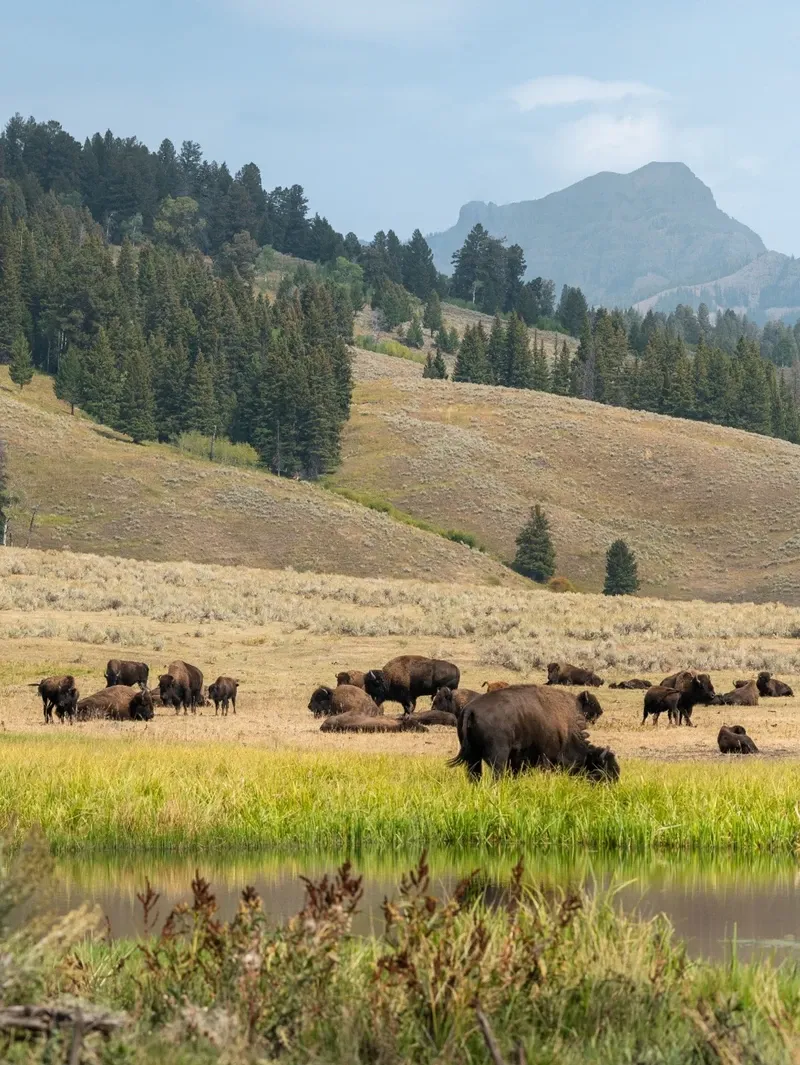
Beyond its geological anomalies, Yellowstone sustains the largest concentration of mammals in the lower 48 states. The park supports 67 mammal species, including grizzly bears and wolves. It also holds a distinct ecological record. Yellowstone is the only place in the United States where bison have lived continuously since prehistoric times.

Discover the full history and cultural significance on our About page.
Yellowstone contains over 10,000 hydrothermal features and more than 500 active geysers. The most famous is Old Faithful. Visitors can safely watch this predictable geyser shoot boiling water up to 180 feet into the air. Eruptions occur every 60 to 110 minutes along easily accessible, flat boardwalks.
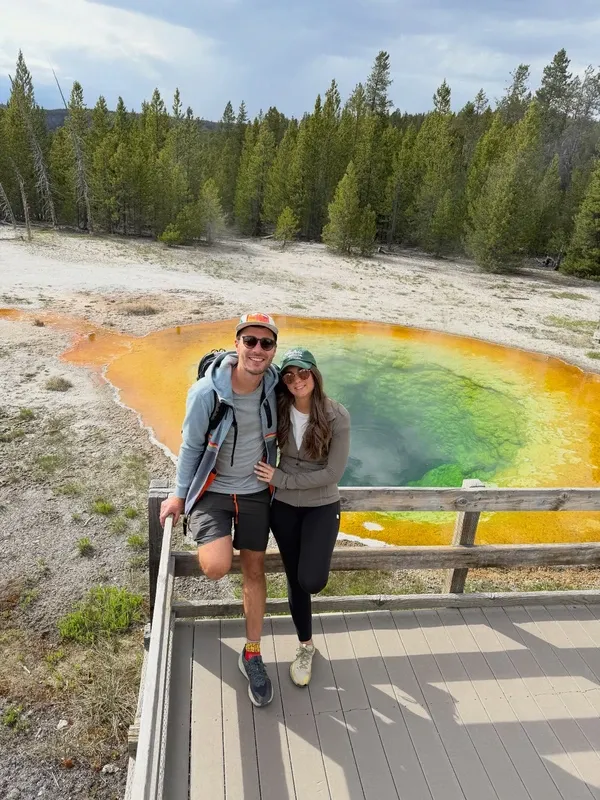
The largest hot spring in the United States features striking rainbow colors created by thermophilic bacteria. Extensive boardwalks allow visitors to safely walk near the thermal area. Stepping off these designated paths is strictly prohibited, as the thin crust hides boiling, fatal temperatures directly below.
Often referred to as America's Serengeti, this valley provides prime opportunities for spotting wolves and grizzly bears at dawn or dusk. The park hosts 67 mammal species. You will likely encounter traffic delays caused by herds of hundreds of bison walking directly along the main paved roads.
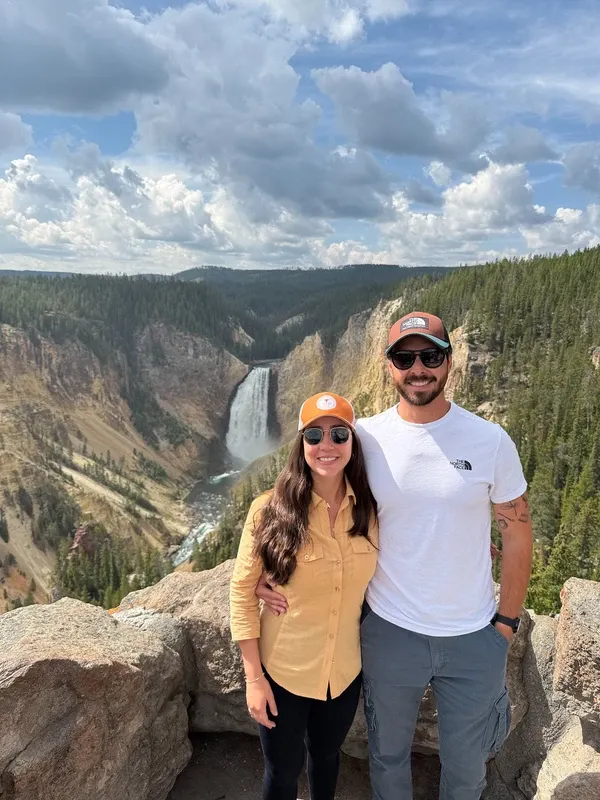
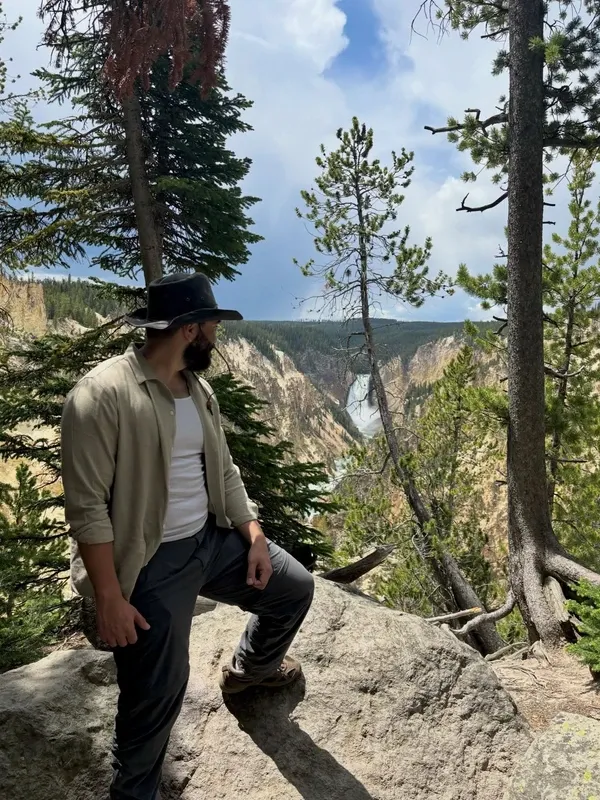
The Grand Canyon of the Yellowstone stretches for 20 miles, defined by its steep, yellow-tinted walls. At the heart of this dramatic landscape is the Lower Falls. This waterfall plunges 308 feet, making it the tallest in the park. Wheelchair-accessible viewpoints like Artist Point offer clear sightlines.
Hand-picked tours with free cancellation and verified reviews
13h
Free Cancellation
Free Cancellation 2h
Free Cancellation
Free Cancellation 3h
Free Cancellation 5h
Free Cancellation
Free Cancellation The optimal time to visit Yellowstone is during July and August for full road access and warm weather. September is also highly recommended for observing the elk rut alongside fewer crowds.
April acts as a 'mud season' with most roads, trails, and facilities closed for the seasonal transition. Visitors should prepare for unpredictable weather and sudden snow closures.
July and August offer warm weather and complete access to the park's 310 miles of paved roads. High-altitude conditions remain unpredictable, making moisture-wicking layers necessary.
September provides excellent wildlife activity, including the elk rut, alongside fewer crowds. November becomes a difficult 'mud season' as wheeled vehicle access ends and facilities shut down.
Most roads close to cars, requiring visitors to book guided snowcoach or snowmobile tours. Only the route connecting the North and Northeast entrances remains open to regular vehicles.
Yellowstone operates 24 hours a day, 365 days a year. Seasonal closures significantly impact access. From early November to late April, most roads close to wheeled vehicles. During this winter period, only the road connecting the North and Northeast entrances remains open to regular traffic.
| Category | Price |
|---|---|
| Private vehicle | $35.00 |
| Motorcycle | $30.00 |
| Individual (foot/bike) | $20.00 |
No vehicle reservations are required for 2024-2026, but an entrance pass is mandatory. Starting January 1, 2026, non-U.S. residents aged 16 and older must pay an additional $100.00 surcharge per person.
For complete schedules and ticket prices, visit our Hours & Fees page.
Reaching Yellowstone involves driving or taking a bus from nearby transit hubs in Montana, Utah, or Wyoming. Visitors typically enter through the North, West, or South entrances depending on their starting point.
Renting a car from Bozeman Yellowstone International Airport provides the most flexible transportation method. Drivers cover a 90-mile route to access the park. Vehicles typically enter through the North entrance at Gardiner or the West entrance. This option allows visitors to navigate the 310 miles of paved roads inside the park at their own pace.
Travelers can book a shuttle ride directly from the Bozeman airport. Companies like Karst Stage and Old Faithful and Friends operate these routes. The buses travel 91 miles to drop passengers off in West Yellowstone. This provides a direct transit solution without the need to navigate regional highways independently.
The Salt Lake Express operates daily public bus service originating from Salt Lake City, Utah. Passengers travel 321 miles north toward the park. The route requires a transfer in Rexburg, Idaho, before continuing to West Yellowstone. It serves as a cost-effective alternative for visitors arriving from major southern transit hubs.
Visitors staying in Wyoming can hire a private transfer through Taxi2Jackson. The service charges a flat rate to transport passengers from Jackson Town Square. The vehicle covers a 57-mile distance to reach the South Entrance of the park. This method works well for those pairing their trip with nearby Grand Teton National Park.
For detailed transport options and routes, visit our Directions page.
Cell service is extremely limited and only available in developed areas like Mammoth, Old Faithful, and Canyon Village. Wi-Fi at lodges averages a slow 1.5mbps. Download the official NPS App and save the park section to your phone before arriving to ensure you can navigate without a signal.
The park sits at an average elevation of 8,000 feet, which can cause shortness of breath, fatigue, headaches, and nausea. Drink twice as much water as you normally would to prevent altitude sickness. Pack synthetic, moisture-wicking layers to handle unpredictable weather changes at this height, even during summer.
Plan to visit popular attractions like Grand Prismatic Spring and Old Faithful before 9:00 AM or after 6:00 PM. This schedule helps you avoid peak crowds during the typical three to four-day visit. Pack a cooler with food to bypass long wait times at limited dining facilities during midday rushes.
Bison can run up to 35 mph and injure more people here than any other animal. Local laws require visitors to stay at least 25 yards away from bison and elk, and 100 yards from bears and wolves. Always carry bear spray on hikes and know how to deploy it.
Stepping off designated paths in geyser basins is illegal and highly dangerous. The ground is a thin crust covering boiling water, and breaking through can cause fatal thermal burns. Keep children close on these boardwalks at all times, as the park contains over 10,000 hydrothermal features.
Enter the park with a full tank of gas. Although there are six service stations located inside the 3,472-square-mile park, they are spaced far apart and charge higher prices. Remember that most roads close to wheeled vehicles from early November to late April due to snow.
Grand Teton National Park features the jagged peaks of the Teton Range and the waters of Jenny Lake. Visitors come here for extensive mountaineering opportunities and dramatic alpine scenery.
This route ranks among the most scenic drives in the United States. The high-altitude road climbs to elevations of 10,947 feet, providing sweeping views of the surrounding mountain terrain.
Cody is home to the comprehensive Buffalo Bill Center of the West. The town also hosts nightly rodeos throughout the summer, giving visitors a direct look at local western culture.
Read what travelers share about their experience visiting Yellowstone — from practical tips to personal highlights.
You do not need a vehicle reservation to enter the park, but an entrance pass is mandatory. The fee is $35.00 per private vehicle, $30.00 per motorcycle, or $20.00 per individual on foot or bike. Starting January 1, 2026, non-U.S. residents aged 16 and older will be charged an additional $100.00 surcharge per person.
July and August provide full road access and warm weather, while September offers fewer crowds and active wildlife during the elk rut. Avoid April and November, known as the mud season, when most roads, facilities, and trails are closed. Plan for a visit of 3 to 4 days to see the main attractions.
The park is technically open 24 hours a day, 365 days a year. However, most roads close to wheeled vehicles from early November to late April, leaving only the road from the North to the Northeast entrance open. During winter, travel is restricted to guided snowmobile or snowcoach tours.
Bozeman Yellowstone International Airport is the most common entry point, located 90 miles from the park. Driving from the airport to the North or West Entrance takes about 1 hour and 45 minutes. Alternatively, you can book a shuttle bus from Bozeman to West Yellowstone for $175.00 per person.
Bring moisture-wicking synthetic layers, as weather at the park's average elevation of 8,000 feet is unpredictable even in summer. You must carry bear spray on every hike and stay at least 100 yards away from bears and wolves. Pack a cooler with food and water because the park's dining options are limited.
The park is highly accessible, featuring flat boardwalks at major attractions like Old Faithful and Grand Prismatic Spring, as well as drive-up viewpoints. Wheelchairs are available to rent for $10.00 per day at medical clinics in Mammoth, Lake, and Old Faithful. Visitors should note that the park sits at an elevation of 7,000 to 8,000 feet, which can cause fatigue.
Drones are strictly prohibited in all U.S. National Parks. This rule is enforced to protect the wildlife and the visitor experience. Personal photography is free, but commercial filming for groups of 9 or more people requires a special permit.
Cell service is extremely limited and only available in developed areas like Canyon Village, Mammoth, and Old Faithful. There is no free Wi-Fi, and the paid service at certain lodges is often very slow, averaging 1.5mbps. Download the official National Park Service app for offline use before you arrive.
Browse verified tours with free cancellation and instant confirmation.
Find Tours